How Casino Games Turn Minutes Into Hours Without Warning
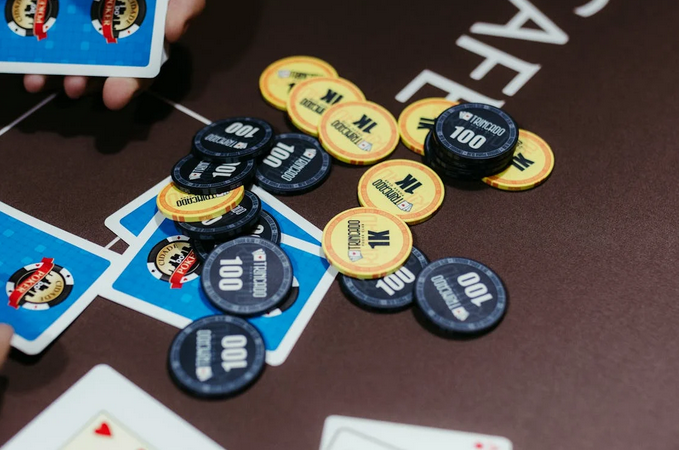
One minute, you sit down for a quick casino break, and everything feels completely under control at first. The oxgame pulls players into rapid rounds that restart so quickly the brain barely registers any real pause between outcomes. Each cycle blends into the next and slowly removes the structure that normally helps track time. That is where time starts disappearing without warning, and the session becomes much longer than expected. Most players do not notice the shift at first because everything still feels light and casual. Before long, what felt like a short session turns into something far longer than intended. Here’s what actually happens.
Rapid Cycle Effect
Fast rounds create a rhythm that feels easy to follow and almost effortless to stay engaged with. Each result arrives quickly, so the brain immediately expects another outcome without leaving space to pause. This removes natural stopping points that normally signal breaks or moments to reconsider continuing. The flow becomes continuous, while awareness of passing time slowly fades. Because there is no waiting period between rounds, anticipation stays active and never fully settles. This keeps engagement high even when mental fatigue starts building quietly in the background. Over time, players lose track of how many rounds have passed.
Attention Narrowing During Play
Attention becomes tightly focused when outcomes arrive quickly, one after another, without interruption. The brain shifts into reaction mode, prioritizing speed over reflection or broader awareness. This reduces sensitivity to surroundings, time cues, and anything outside the main activity. Small wins and losses start merging into a single stream of continuous feedback. Each moment feels almost identical to the one before it, with little contrast. Without contrast between events, time markers lose meaning and become harder to track. That is why sessions often feel shorter than they really are afterward.
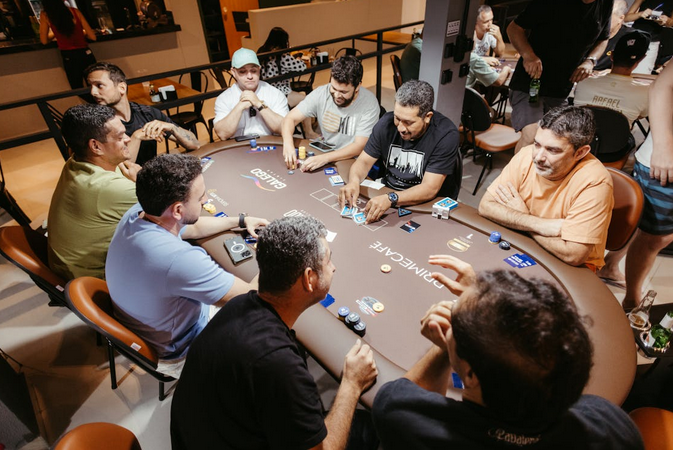
Emotional Feedback Loops
Every outcome triggers a small emotional reaction that pushes the player to continue without hesitation. This reaction builds a loop where excitement leads directly into another round. The cycle becomes automatic as the mind stops evaluating decisions carefully. It starts feeling natural to keep going without a clear stopping point. Even minor results begin to feel more important than they really are in the moment. This increases urgency and encourages immediate repetition without thinking things through. The emotional rise keeps attention locked tightly on the next possible outcome. Logical stopping points slowly lose influence over behavior during play.
Regaining Control of Play Time
Control starts with noticing how quickly the rhythm of play begins to build momentum. Setting limits before starting helps create a structure that guides decisions later on. Without limits in place, sessions expand far beyond what was originally planned. Awareness of this pattern changes how each round is approached. Short pauses between rounds help reset focus and bring attention back to real time. These small breaks interrupt the automatic flow that keeps the session moving forward. They also reduce the feeling of being carried along by constant activity. That makes it easier to stop when needed instead of continuing on impulse.
Fast casino games can easily distort how players perceive time during active sessions. What begins as a short break can stretch far longer than originally intended. Oxgame shows how rapid cycles keep attention locked into continuous engagement. The key is awareness, so play stays intentional instead of slipping into autopilot.